Phase 1 - Inspection
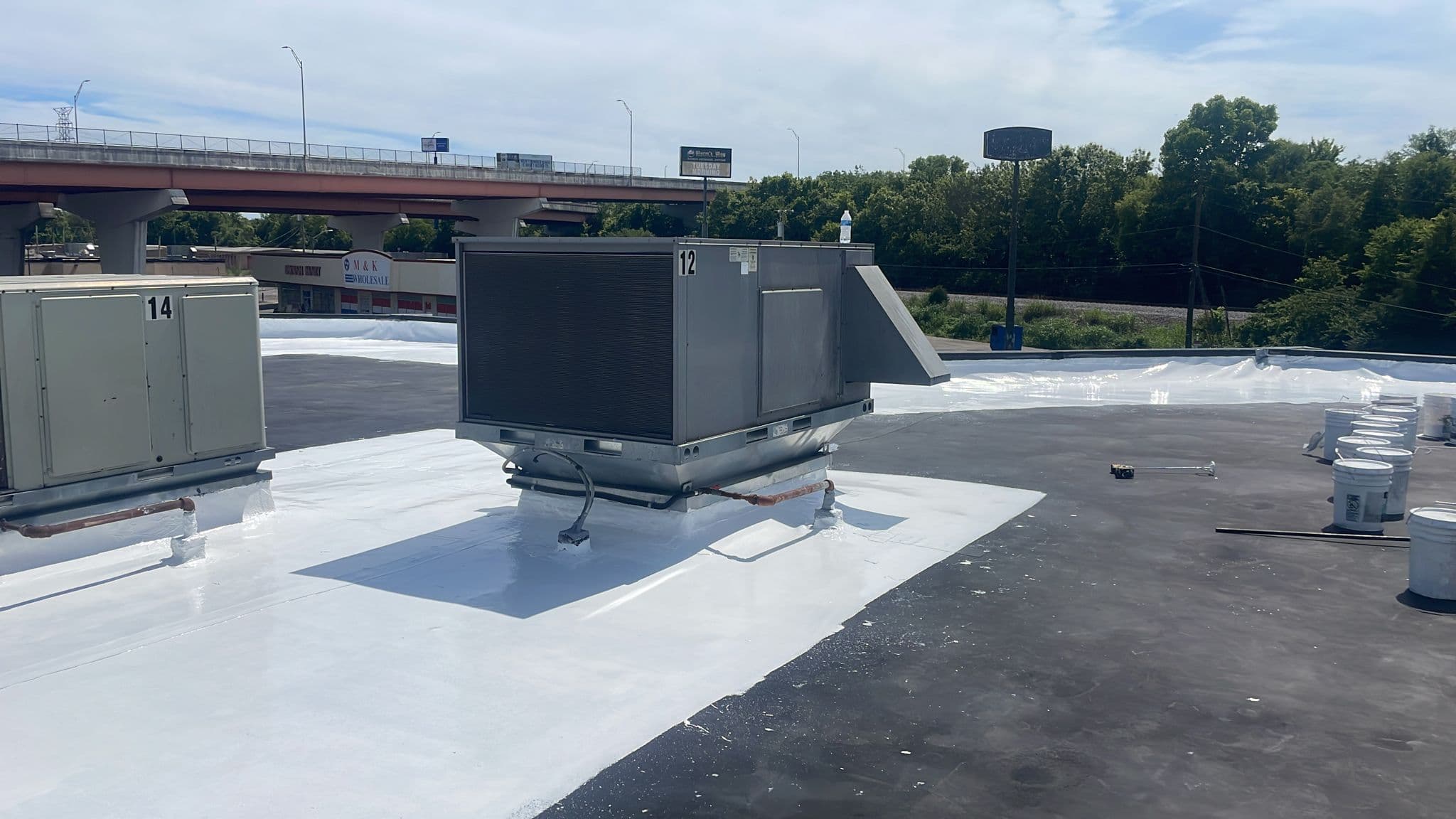
The first step after a storm event is an inspection by a qualified commercial roofing contractor. The inspection establishes roof condition, identifies damage attributable to the loss event, and produces a photo-keyed report.
Inspection is no-obligation. Even if you don't proceed to a claim, the documented condition is useful for future carrier, lender, and asset- manager records.
Phase 2 - Filing
With the inspection report in hand, file the claim with your carrier. Most carriers require:
- Date of loss
- Property address and coverage declaration
- Damage description and photos
- Preliminary scope estimate
Your contractor's inspection report typically covers the damage description and scope.
Phase 3 - Adjustment
The carrier assigns an adjuster who inspects the property (often with your contractor present). The adjuster produces an approved scope of work. This scope may or may not match your contractor's estimate.
Phase 4 - Supplements
When the adjuster's scope misses legitimate work - code-required upgrades, additional penetrations, underlayment, or peripheral items - your contractor submits a supplement with supporting documentation. Reasonable supplements with good evidence are typically approved.
Phase 5 - Completion
Once scope and owner expectations align, work proceeds. On RCV (Replacement Cost Value) policies, the carrier releases recoverable depreciation after work is documented complete.
What Can Go Wrong
- Incomplete documentation. Claims with thin evidence get denied or reduced.
- Late filing. Claim windows vary by carrier and state (often 1–2 years); earlier is better.
- Scope disagreements. Supplements address these but extend timeline.
- Named-storm deductibles. Larger than standard deductibles; read the declaration page.
ACV vs RCV
ACV (Actual Cash Value) pays replacement cost minus depreciation at time of loss. RCV (Replacement Cost Value) pays replacement cost in full, typically released in two payments: initial ACV and recoverable depreciation after work completion.
Most commercial policies are RCV by default; always verify.
Common Questions
Does every storm claim get approved? No. Approvals depend on documented damage, policy language, and carrier interpretation.
Should I sign an AOB (Assignment of Benefits)? AOBs transfer claim rights to the contractor. Some states restrict them; some carriers object. Understand before signing; we don't require an AOB.
What if my claim is denied? Denials can be appealed with additional documentation. We help where we can, but denials are ultimately a carrier / owner / legal decision.
Frequently Asked Questions
How long does a commercial roof insurance claim take end-to-end?
What does a carrier look for in a commercial roof claim?
What happens if you miss the claim filing window after a storm?
Related Guides
- ACV vs RCV Cheat Sheet for Commercial PoliciesPlain-language ACV vs RCV on commercial roof insurance - how carriers calculate depreciation, when R…
- Roof Certification vs Roof InspectionWhat insurance underwriters, lenders, and asset managers actually want from a roof certification - a…
- Commercial Hail Damage Checklist12-point checklist for commercial property owners to document hail damage before calling their carri…