The Two Commercial Metal Roofing Families
Commercial metal roofing splits cleanly into two families - standing-seam and exposed-fastener - with distinct performance profiles, lifecycle characteristics, and sweet-spot use cases. Understanding the difference is the foundation of any metal-roof specification conversation across metro Atlanta, Birmingham, Huntsville, Mobile, and our broader Georgia/Alabama commercial footprint.
Standing-Seam Metal
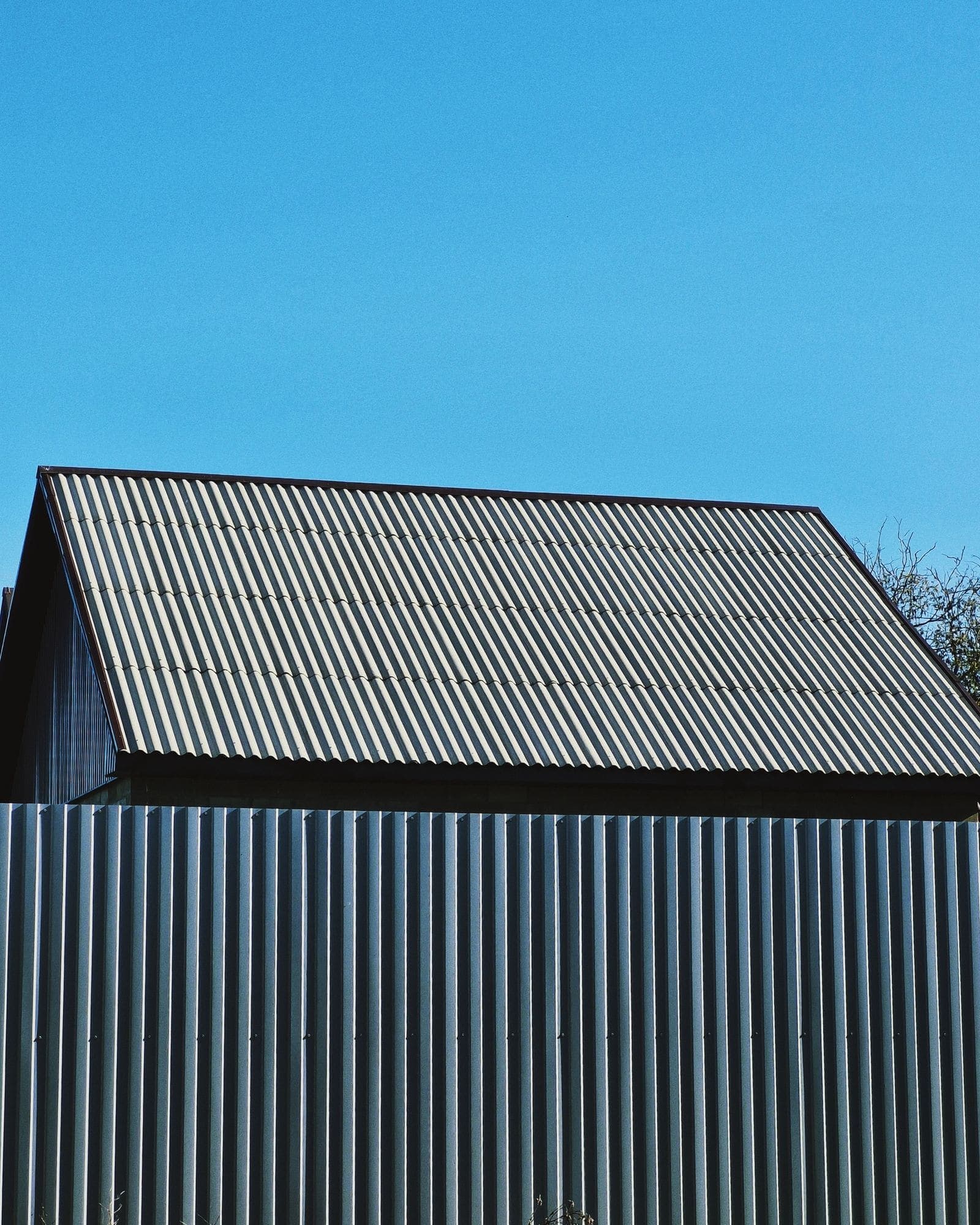
Standing-seam is the premium commercial metal specification. Panels connect via raised seam profiles (typically 1.5" to 3" seam heights) with concealed clip or fastener attachment below the finished roof surface. Because no fastener penetrates the panel face, standing-seam eliminates the primary leak-path failure mode of exposed-fastener systems and offers significantly stronger wind-uplift performance. Service life routinely exceeds 40 years with periodic maintenance; premium PVDF (Kynar) finishes provide long-term color retention and corrosion resistance. UL 580 Class 90 wind-uplift ratings are standard on quality installations.
Standing-seam comes in multiple profile types:
- Mechanical-seam (double-lock): panels field-seamed with a mechanical roll-former into a double-lock seam configuration. Strongest wind-uplift and weathertightness performance. Standard for commercial and institutional applications.
- Snap-lock: panels snap together without field-seaming. Faster installation, lower wind-uplift rating than double-lock. Acceptable on lower-spec commercial and lower-exposure applications.
- Batten-seam and nail-strip: specialty profiles used in specific architectural applications.
Exposed-Fastener Metal
Exposed-fastener systems use screws through the panel face into the roof deck or purlins below. Service life typically runs 20 to 30 years with periodic fastener replacement as gaskets degrade and fasteners back out. Lower initial installed cost than standing-seam; appropriate for agricultural, light-industrial, and utilitarian commercial where budget and specification complexity are the governing factors.
Strengths: lower installed cost; simpler installation; accessible for owner-operated agricultural and light-industrial applications. Failure modes: fastener back-out over decades of thermal cycling; gasket degradation at fastener heads creating leak paths; reduced wind-uplift performance compared to standing-seam; limited performance on Gulf Coast or high-wind applications.
Commercial Metal Specifications - Gauge, Finish, and Substrate
Commercial metal specification conversations concentrate on three parameters:
Gauge
Steel gauge determines mechanical durability and long-term performance. 22-gauge and 24-gauge are standard commercial specifications (lower gauge = thicker metal). 26-gauge is acceptable on smaller commercial and agricultural; 29-gauge is entry-level residential/agricultural and generally too thin for commercial specification.
Finish
Factory finish coating drives long-term color retention, corrosion resistance, and mechanical durability:
- PVDF (Kynar): the commercial premium finish. Long UV stability, strong corrosion resistance, extended warranty coverage (typically 30-50 years). Standard for Class-A commercial.
- SMP (silicone-modified polyester): mid-tier finish. Shorter color-retention warranty (typically 20-30 years). Acceptable for secondary commercial and agricultural.
- Galvalume / Galvanized: unpainted metallic finishes. Long corrosion resistance without paint system; natural weathered appearance. Common on utilitarian industrial.
Substrate Material
Steel is the dominant commercial substrate for cost and performance. Aluminum is specified in coastal applications (Mobile, Baldwin County, Savannah, Brunswick) for corrosion resistance. Copper and zinc are premium specifications for Class-A commercial where material budget supports them - distinctive weathered patina, multi-century service life, and architectural specification significance.
Where Metal Fits in Commercial Specification Decisions
Sweet Spots for Standing-Seam
- Class-A commercial and premium multifamily: upscale multifamily, boutique hotels, Class-A office with architectural specification priorities.
- Newer suburban mixed-use and commercial: newer builds across metro Atlanta North Arc (Alpharetta, Roswell, Johns Creek, Duluth), Birmingham suburbs (Hoover, Vestavia Hills), Huntsville Research Park and newer Madison County commercial.
- Alabama Gulf Coast hospitality and commercial: wind-uplift performance on Mobile, Baldwin County coastal commercial.
- Industrial and distribution with premium specifications: newer distribution facilities where service-life total cost of ownership justifies the upfront premium.
- Institutional commercial: churches, schools, government-adjacent commercial where long service life and low maintenance matter.
Sweet Spots for Exposed-Fastener
- Agricultural and light-industrial: farm buildings, equipment storage, low-exposure utilitarian commercial.
- Self-storage: one of the most common commercial metal applications - exposed-fastener holds up well and keeps the cost down.
- Warehouse with operational-cost priority: where the operational-cost priority outweighs long-service-life premium.
Metal Roof Hail and Wind Performance
Metal roof performance on hail impact differs from single-ply membrane performance. Metal dents rather than punctures on impact. Dents are typically cosmetic on standing-seam systems - the seam integrity and waterproofing remain intact unless the hail stone is large enough to perforate the panel (generally rare below 2-inch hail stones). Insurance treatment of cosmetic hail dents varies by carrier and policy endorsement. Some commercial policies cover cosmetic dent repair or replacement; some specifically exclude cosmetic damage. Our inspection documents the damage pattern and our supplement conversations with adjusters address the cosmetic-vs-functional distinction honestly.
Wind performance on standing-seam metal is among the strongest in the commercial roofing category. UL 580 Class 90 wind-uplift ratings are routine; Class 1-60 and higher specifications are available for Gulf Coast hurricane-exposure applications. Exposed-fastener systems carry lower wind-uplift ratings because the exposed fasteners are the primary failure point under wind load - fastener back-out or gasket failure produces panel displacement under wind stress.
Commercial Metal Roofing Across Georgia, Alabama, and the Southeast
Our commercial and multifamily metal roofing work concentrates in several clear segments:
- Metro Atlanta newer suburban commercial - Alpharetta, Roswell, Johns Creek, Duluth mixed-use, newer I-75 North retail and industrial.
- Metro Atlanta industrial and distribution - newer I-285 distribution facilities, Fulton Industrial modern builds.
- Huntsville aerospace and defense adjacent - Research Park newer commercial, Redstone-adjacent industrial.
- Birmingham newer suburban and industrial - I-459 corridor, U.S. 280 suburban commercial.
- Mobile and Baldwin County Gulf Coast - wind-uplift-rated standing-seam on hospitality and industrial.
- Savannah and Georgia coast - similar Gulf-exposure specifications for hospitality and industrial.
- Tennessee industrial - VW Chattanooga corridor, Nashville newer industrial.
- South Carolina Upstate - Greenville-Spartanburg BMW corridor industrial.
For the adjacent service conversations, see our commercial roof replacement service, roof inspection service, and storm damage service. For the alternative flat-roof system comparisons, see our flat-roof systems material page. For market-specific context, see our Atlanta commercial roofing, Huntsville commercial roofing, Mobile commercial roofing, and Birmingham commercial roofing pages.
Not sure if this material is on your building?
Use our Roof Type Identifier to narrow it down, then request a no-obligation inspection for definitive identification.
Frequently Asked Questions
How long does a commercial metal roof last?
What's the difference between standing-seam and exposed-fastener metal?
Is metal roofing a good choice for Gulf Coast commercial properties?
How does metal roofing handle hail damage?
What metal gauge and finish should I specify on new commercial metal?
Can metal roofing be installed over an existing commercial flat roof?
What's the cost difference between TPO and standing-seam metal?
Do you install metal roofing in Atlanta, Huntsville, and Birmingham?
Does standing-seam metal meet wind-uplift code on Gulf Coast?
What maintenance does a commercial metal roof require?
Thinking about Commercial Metal Roofing - Standing-Seam & Exposed-Fastener for your property? We inspect and document your current system - no-obligation, with a photo-keyed report for lender, carrier, or asset-manager review.
Request Inspection