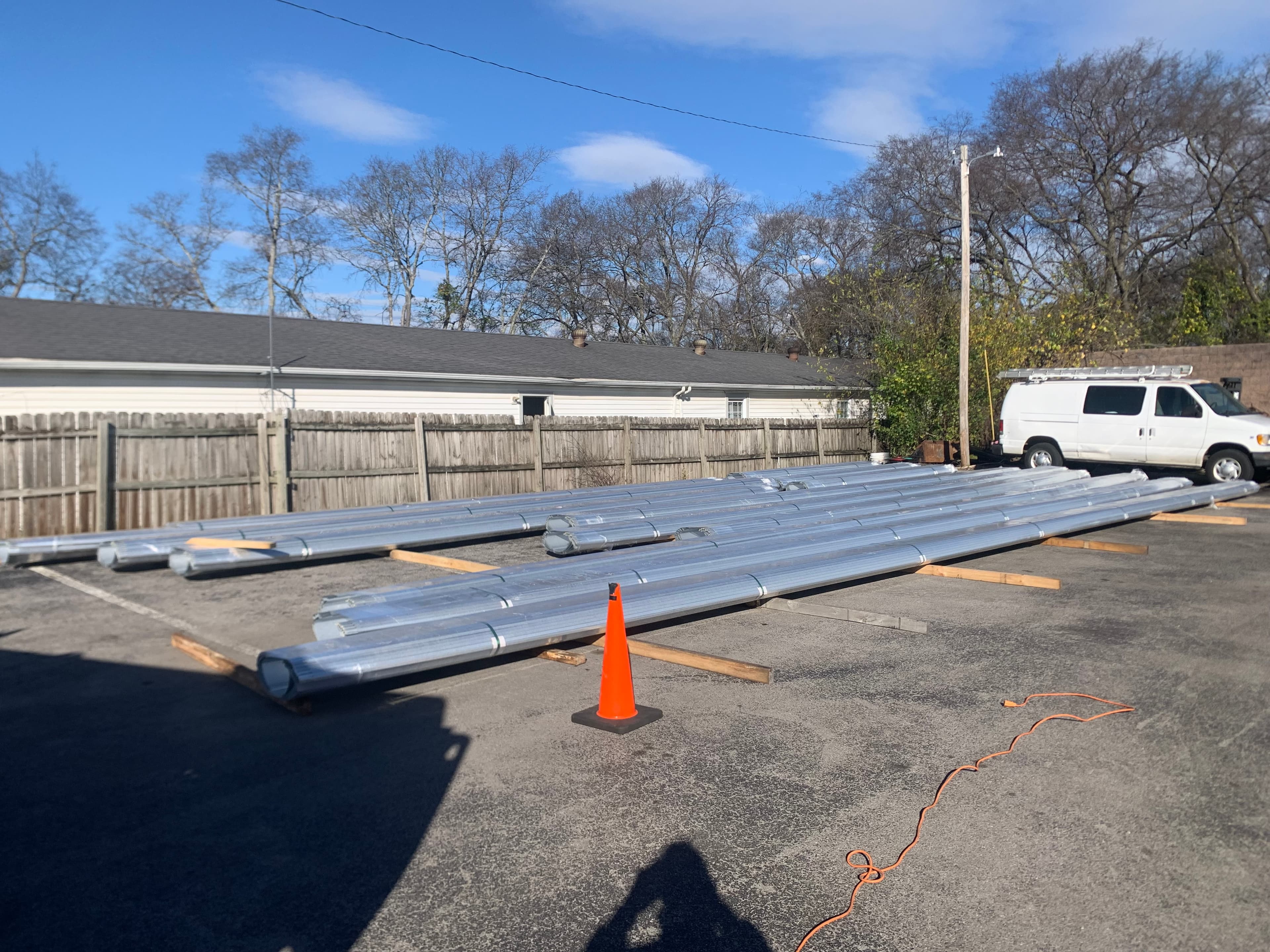
Short answer: A commercial roof coating is a fluid-applied elastomeric membrane - typically silicone, acrylic, or polyurethane - sprayed or rolled onto an existing commercial roof system to restore waterproofing, extend useful life, and add solar-reflectance properties without triggering a full tear-off-and-replace scope.
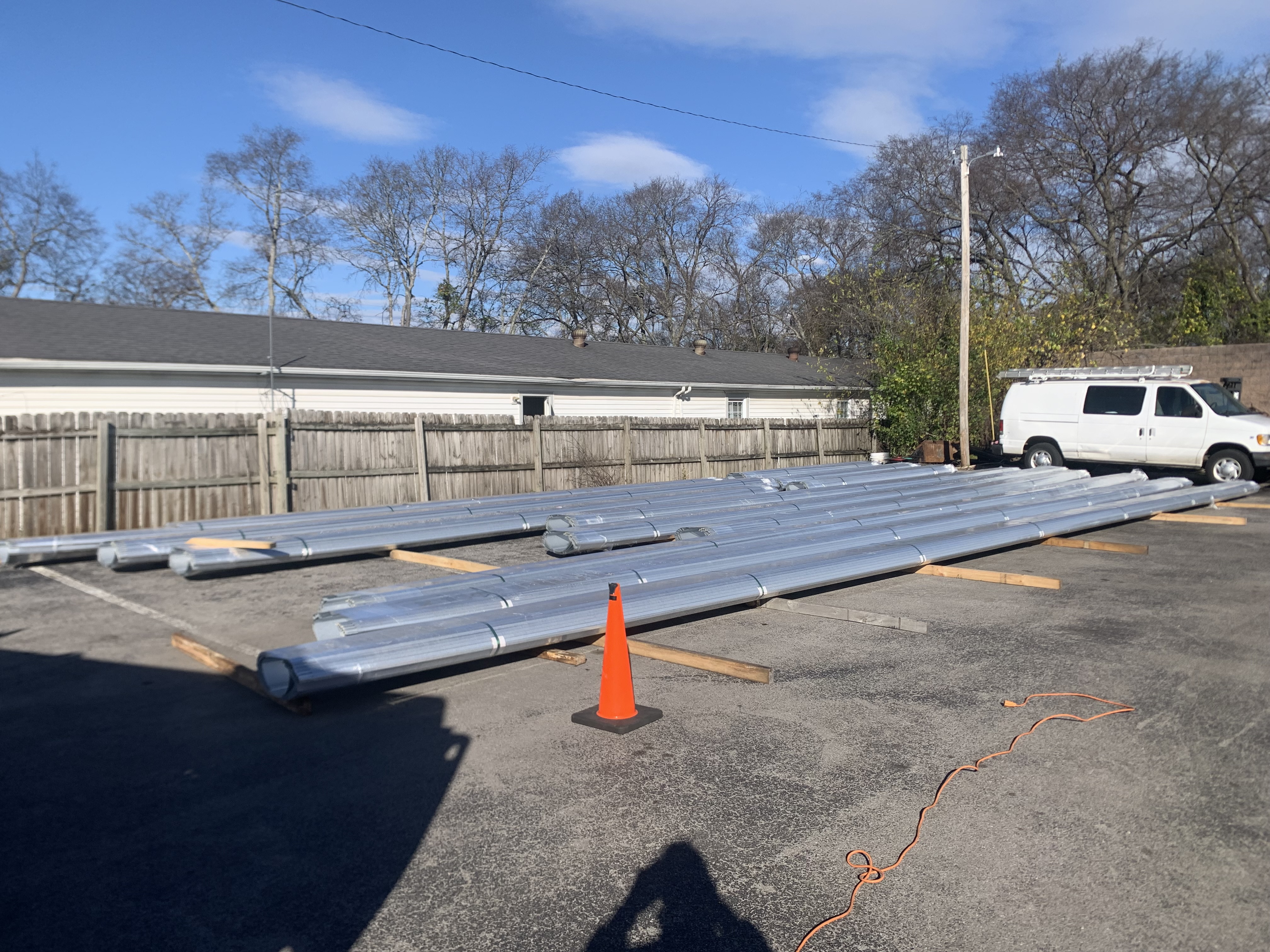
When a Commercial Roof Coating Is the Responsible Answer
Commercial roof coatings are the right scope when the existing roof is structurally sound but the membrane is aging, when capital budget defers full replacement, when storm damage falls below the insurance deductible, or when the property owner wants to extend useful life before triggering the next replacement cycle. They are the wrong scope when the membrane has systemic failure, when wet insulation is widespread, when the deck is compromised, or when the roof has reached the end of useful life regardless of cosmetic condition.
That distinction matters because the coating-industry sales pitch routinely overstates what coatings can do. A coating cannot rescue a failed roof. A coating cannot waterproof a deck with widespread saturated insulation underneath. A coating cannot extend the service life of a membrane that has lost structural integrity. What a coating can do - when applied to the right substrate at the right point in the asset's lifecycle - is restore waterproofing, extend useful life by 10 to 20 years, and add solar-reflectance properties at roughly 30 to 50 percent of replacement cost. Honest scoping starts with whether your roof is a coating candidate. If it is, coating is often the most economically rational path forward.
The Four Commercial Roof Coating Chemistries
Silicone
Silicone coatings are the premium chemistry for flat commercial roofs with ponding-water exposure. Silicone tolerates standing water indefinitely without chemical degradation - the only commercial coating chemistry that does. Manufacturer warranties on silicone systems commonly run 15 to 20 years on properly-prepped substrates with manufacturer-credentialed installation. Application typically uses spray equipment for large commercial work; roller and squeegee methods on smaller scopes. White silicone delivers Solar Reflectance Index values of 80 to 95+.
Sweet spots: Flat commercial roofs with documented ponding; warehouse and distribution stock with massive square footages where coating economics outperform tear-off-and-replace; multifamily mid-rise common-area roofs; industrial properties with year-round operations where a multi-week tear-off scope is operationally disruptive.
Trade-offs: Higher cost per square foot than acrylic. Silicone surfaces attract dirt - periodic washing maintains the reflective performance over the warranty period. Recoating silicone-with-silicone requires specific surface preparation; recoating silicone with a different chemistry is generally not viable, locking the asset into the silicone family for the long-term recoat cycle.
Acrylic
Acrylic coatings are the cost-effective chemistry for low-ponding commercial roofs in dry climates. Acrylic offers strong UV resistance, broad manufacturer availability, and the lowest material cost of the major coating chemistries. Manufacturer warranties commonly run 10 to 15 years. White acrylic delivers SRI values comparable to silicone. Acrylic does not tolerate ponding water - extended standing water progressively softens and re-emulsifies the coating.
Sweet spots: Commercial flat roofs with good drainage and minimal ponding; metal roof restoration on industrial and warehouse stock; low-budget restoration scopes on properties where the property owner accepts the shorter warranty trade-off; recoat candidates where existing acrylic is performing as expected.
Trade-offs: Ponding intolerance limits acrylic to well-drained roofs. Shorter warranty period than silicone or polyurethane. Cold-weather application windows are tighter - acrylic requires specific temperature ranges during application and cure.
Polyurethane (Aliphatic and Aromatic)
Polyurethane coatings deliver the highest abrasion and impact resistance among the major coating chemistries - used on commercial roofs with frequent foot traffic, dense rooftop mechanical, or solar-array maintenance access. Aliphatic polyurethanes have superior UV resistance and are used as topcoats; aromatic polyurethanes are typically used as basecoats. Manufacturer warranties on full polyurethane systems commonly run 15 to 20 years.
Sweet spots: Commercial roofs with heavy rooftop foot traffic (medical campuses, telecommunications properties, food-service rooftops with frequent service); properties with rooftop solar arrays where maintenance access is constant; high-value commercial where puncture-resistance economics justify the premium chemistry; properties with previous puncture-damage history on the existing membrane.
Trade-offs: Highest cost among the three major chemistries. Application requires more specialized equipment and credentialed installation. Some polyurethane formulations have stricter weather and humidity windows during application.
Asphalt Emulsion (Cold-Process and Modified)
Asphalt-emulsion coatings are the restoration chemistry for modified bitumen and built-up asphalt commercial roofs. The asphalt-based formulation bonds chemically and physically to existing asphalt substrates in ways that the elastomeric chemistries do not. Reinforcing fabric embedded into the emulsion at seams and detail areas restores waterproofing on aging modified bitumen.
Sweet spots: Aging modified bitumen commercial and institutional roofs (schools, churches, government buildings, older industrial); built-up asphalt roofs approaching end of current warranty; modified bitumen properties where the cap sheet has lost granules but the underlying assembly is sound.
Trade-offs: Limited to asphalt substrates. Lower solar reflectance than the elastomeric chemistries unless an additional reflective topcoat is added. Shorter warranty terms than premium silicone or polyurethane.
Coating Compatibility by Existing Membrane Type
The most important specification decision in a commercial coating project is matching the coating chemistry to the existing membrane. Mismatched coatings either fail to bond, fail prematurely, or void the underlying membrane warranty. The compatibility framework:
- TPO membrane: Silicone or polyurethane with manufacturer-specified primer. Several major TPO manufacturers (Carlisle, GAF, Holcim, Versico) have approved coating systems that integrate with their warranty programs. Acrylic generally does not bond reliably to TPO without specific primer-and-prep protocols. See our TPO Roofing material guide for substrate context.
- EPDM membrane: Acrylic or polyurethane with EPDM-specific primer. EPDM is a challenging coating substrate because its low surface energy resists adhesion - primer selection and surface preparation are critical. Manufacturer-approved coating systems and installer credentialing matter more on EPDM than on most other substrates.
- PVC membrane: Polyurethane or silicone with PVC-specific primer. PVC substrates are increasingly addressed with manufacturer-approved coating systems as a restoration pathway on aging PVC commercial.
- Modified bitumen: Asphalt emulsion with reinforcing fabric, or acrylic/silicone over manufacturer-approved primer. Modified bitumen is a strong coating candidate because the asphalt substrate accepts a wide range of compatible coating systems.
- Built-up asphalt: Asphalt emulsion with reinforcing fabric is the historical default; modern alternatives include silicone-over-primer systems for properties pursuing higher solar reflectance.
- Standing-seam metal: Acrylic or silicone with rust-converter pre-treatment and metal-specific primer. Metal coating addresses oxidation, fastener-gasket failure, and faded factory finish - restoring both waterproofing and aesthetic on aging metal commercial.
- Exposed-fastener metal: Same chemistry as standing-seam, with additional attention to fastener detail and gasket condition during preparation.
Surface Preparation - The Single Biggest Performance Driver
Coating performance over the warranty term is determined more by surface preparation than by any other variable. Power-washing removes dirt, oxidation, biological growth, and contaminants. Repairs to seams, flashings, and penetrations restore the substrate to a coatable condition. Primer application - where the manufacturer specification requires it - establishes the chemistry bond between substrate and coating. Skipping or shortcutting any of these steps produces coating failure within the warranty term.
The discipline matters because coating projects are visible: the property owner sees a coated roof that looks great on completion. Failures show up two to five years later, by which point the original installer may not be available and the manufacturer warranty conversation gets complicated. Our coating scopes specify the surface-preparation requirements upfront and document each step with photos for the property's file.
Commercial Roof Coating Cost
Installed commercial coating pricing across our Georgia, Alabama, South Carolina, and Tennessee markets:
- Acrylic systems: Roughly $2 to $4 per square foot installed on standard commercial scopes
- Silicone systems: Roughly $3 to $6 per square foot installed
- Polyurethane systems: Roughly $4 to $7 per square foot installed
- Asphalt-emulsion modified-bitumen restoration: Roughly $2 to $4 per square foot installed
Cost variables include coating chemistry and mil thickness, existing roof condition (more prep equals more labor), reinforcing fabric requirements at seams and detail areas, primer requirements, surface area and access, and project complexity. The economic case for coating versus replacement: coating cost typically runs 30 to 50 percent of a comparable tear-off-and-replace scope, with extended useful life of 10 to 20 years. On long-hold commercial assets where replacement would otherwise trigger in 3 to 5 years, coating can defer the full capital event by a meaningful interval.
Coating vs Replacement - The Decision Framework
Coating is the right path when:
- The existing membrane is structurally sound (no widespread tearing, brittleness, or systemic failure)
- Insulation is dry (verified by infrared thermography or core sampling)
- The deck is sound (no widespread rust on metal decks or rot on wood decks)
- Seams and flashings can be repaired before coating
- The coating chemistry is compatible with the existing membrane
- The property owner wants to extend useful life by 10 to 20 years rather than trigger full replacement now
- Budget reality favors restoration over replacement at this point in the asset's lifecycle
Replacement is the right path when:
- The existing membrane has systemic failure (widespread seam separations, severe brittleness, multiple penetration leaks)
- Wet insulation is documented across more than a small percentage of the roof area
- The deck is compromised (rust, rot, structural movement)
- The roof has reached or exceeded its useful life regardless of current condition
- The property owner is pursuing a major capital reposition or sale where new-roof status materially affects valuation
- Storm damage warrants insurance-supported full replacement
For the replacement path, see our commercial roof replacement service. For the borderline-deductible storm scenario where coating may be the appropriate response, see our storm damage service. For the inspection that determines which path applies to your property, see our commercial roof inspection service.
Commercial Roof Coating Across the Southeast
Our commercial coating work concentrates across the Georgia, Alabama, South Carolina, and Tennessee focus markets. Metro Atlanta coating engagements include warehouse and distribution stock along Fulton Industrial Boulevard and the I-285 corridor, multifamily common-area roofs across Buckhead and Midtown, and office-park restoration across Perimeter, Cumberland, and the North Arc. Birmingham coating work includes industrial along I-459 and U.S. 280 corridor commercial. Huntsville coating work includes Cummings Research Park technical commercial and Redstone-adjacent industrial. Charleston, Columbia, and Greenville coating work includes downtown commercial and suburban warehouse stock. Nashville, Memphis, Knoxville, and Chattanooga coating work includes warehouse and industrial commercial across the Tennessee corridor.
Coating engagements scale from 10,000-square-foot commercial properties through 250,000+ square feet on large industrial and distribution stock. The coating capability extends across our full 16-state footprint by request - Tennessee, North Carolina, Kentucky, Texas, Oklahoma, Louisiana, Mississippi, Florida, Arkansas, Missouri, Kansas, Iowa, and Indiana coating work is engaged on a market-by-market basis.
For the adjacent service conversations, see our roof inspection service, commercial roof repair service, commercial roof replacement service, commercial roof maintenance programs (the recurring discipline that often precedes and follows a coating engagement), storm damage service, and insurance claim support service. For material-specific context, see our TPO Roofing guide, Flat Roof Systems comparison, and Metal Roofing guide. For market-specific context, see our Atlanta commercial roofing, Birmingham commercial roofing, Huntsville commercial roofing, Charleston commercial roofing, and Nashville commercial roofing pages.
Our 5-Step Commercial Roof Coatings & Restoration Process
Every commercial roof coatings & restoration engagement follows the same five-step process. The process is built around photo-keyed documentation at each stage - documented work protects the owner through claim, production, and closeout, and gives carriers, lenders, and asset managers the evidence they need without follow-up requests.
Step 1
On-Site Assessment
Photo-keyed inspection across every slope, drain, flashing, and penetration - not a cursory walk-by.
Step 2
Damage Evaluation
Qualification determination, or Certificate of Clearance if no damage. No obligation either way.
Step 3
Claims Support
Carrier coordination, adjuster documentation delivery, and scope-supplement support where warranted.
Step 4
Project Management
Phased production schedule, tenant-notice distribution, material procurement, and daily operations.
Step 5
Installation & Restoration
On-roof production with daily photo documentation, punch-list completion, and closeout records.
What Commercial Roof Coatings & Restoration Documentation Looks Like
Every commercial roof coatings & restoration engagement produces a photo-keyed PDF report suitable for carrier, lender, and asset-manager review. The report identifies the roof system on your property (TPO, EPDM, PVC, modified bitumen, BUR, metal, architectural shingle, or a mixed portfolio), estimates remaining useful life, flags flashing and penetration condition, and documents any observed damage with date-of-loss alignment where applicable. We also call out situations where we recommend repair rather than replacement - our business is built on honest scoping, not upselling.
On multifamily buildings we document building-by-building, which matters because a 300-unit complex may show damage concentrated on two of eight roofs. Adjusters want that granularity, and the documentation protects owners from blanket-scope claims that get pared back in review. For portfolio owners with multiple commercial properties, we deliver portfolio-level summaries that asset-management teams can file without re-formatting.
Commercial Roof Coatings & Restoration Across 16 States
Red Door Roofing delivers commercial roof coatings & restoration across a 16-state footprint spanning the Southeast, South, Midwest, and Gulf. Most of our crews run out of Georgia, Tennessee, Alabama, and South Carolina, where we know the local storm history and code requirements firsthand, and our coverage extends across Georgia, North Carolina, South Carolina, Alabama, Kentucky, Tennessee, Texas, Oklahoma, Louisiana, Mississippi, Florida, Arkansas, Missouri, Kansas, Iowa, Indiana. Commercial and multifamily property owners in any served state can request an inspection through our contact form or by calling 1-855-GO4REDD.
Why Property Managers Choose Red Door Roofing for Commercial Roof Coatings & Restoration
Commercial and multifamily property owners face a common problem: roof damage often hides in plain sight, claim windows close faster than tenant-reported symptoms, and storm-chaser crews flood markets promising everything and delivering inconsistently. Red Door Roofing is built on the opposite approach - inspect first, document with photo-keyed evidence, support the claim paperwork without guaranteeing outcomes, and manage installation with tenant-in-place phasing. Our commercial roof coatings & restorationwork draws on 30 years of Red Door family experience across the Southeast, including commercial projects for Best Western, Harbor Freight, Tractor Supply, Vanderbilt Medical Clinic, Food Land, Hope Church, Impact Church, and Milan Inn and Suites.
30+ years of Red Door family experience
Built on 30 years of commercial and multifamily work across the Southeast. Commercial clients include Best Western, Harbor Freight, Tractor Supply, and Vanderbilt Medical Clinic.
Carrier-ready documentation
Photo-keyed inspection reports formatted for adjuster and lender review. We match the documentation standards carriers actually request post-event.
Tenant-in-place multifamily phasing
Multifamily work phased by building block with tenant-notice templates, noise windows, and operations-team documentation. Tenants stay in place.
No-obligation inspection
If our inspection finds no qualifying damage, we issue a Certificate of Clearance at no cost or commitment.
Industry certifications
NRCA member, BOMA member, Licensed General Contractor in multiple states.
Honest scoping
We recommend repair over replacement when the building supports it. Our business is built on credibility with property managers - not upselling.
Frequently Asked Questions
What is a commercial roof coating?
How much does a commercial roof coating cost per square foot?
How long does a commercial roof coating last?
When is a roof coating the right answer versus full replacement?
Can you coat a roof with active leaks?
What is the difference between silicone, acrylic, and polyurethane roof coatings?
Will a roof coating extend my manufacturer warranty?
Does a roof coating reduce energy costs?
Can roof coatings qualify for insurance coverage after storm damage?
Do you coat metal roofs?
How long does the coating application take?
Do you offer commercial roof coating across the Southeast?
Still have questions about commercial roof coatings & restoration? Our inspections are no-obligation - if no damage is found, we issue a Certificate of Clearance at no cost.
Request InspectionRelated Services
Commercial Roof Coatings & Restoration rarely exists in isolation - most commercial roof engagements touch two or three adjacent services (inspection → storm-damage → replacement, or inspection → certification, or replacement → insurance-claim-support). Here are the services most commonly paired with Commercial Roof Coatings & Restoration.
Ready to start?
Call 1-855-GO4REDD or request a no-obligation inspection online. Most inspections are scheduled within days of the request.